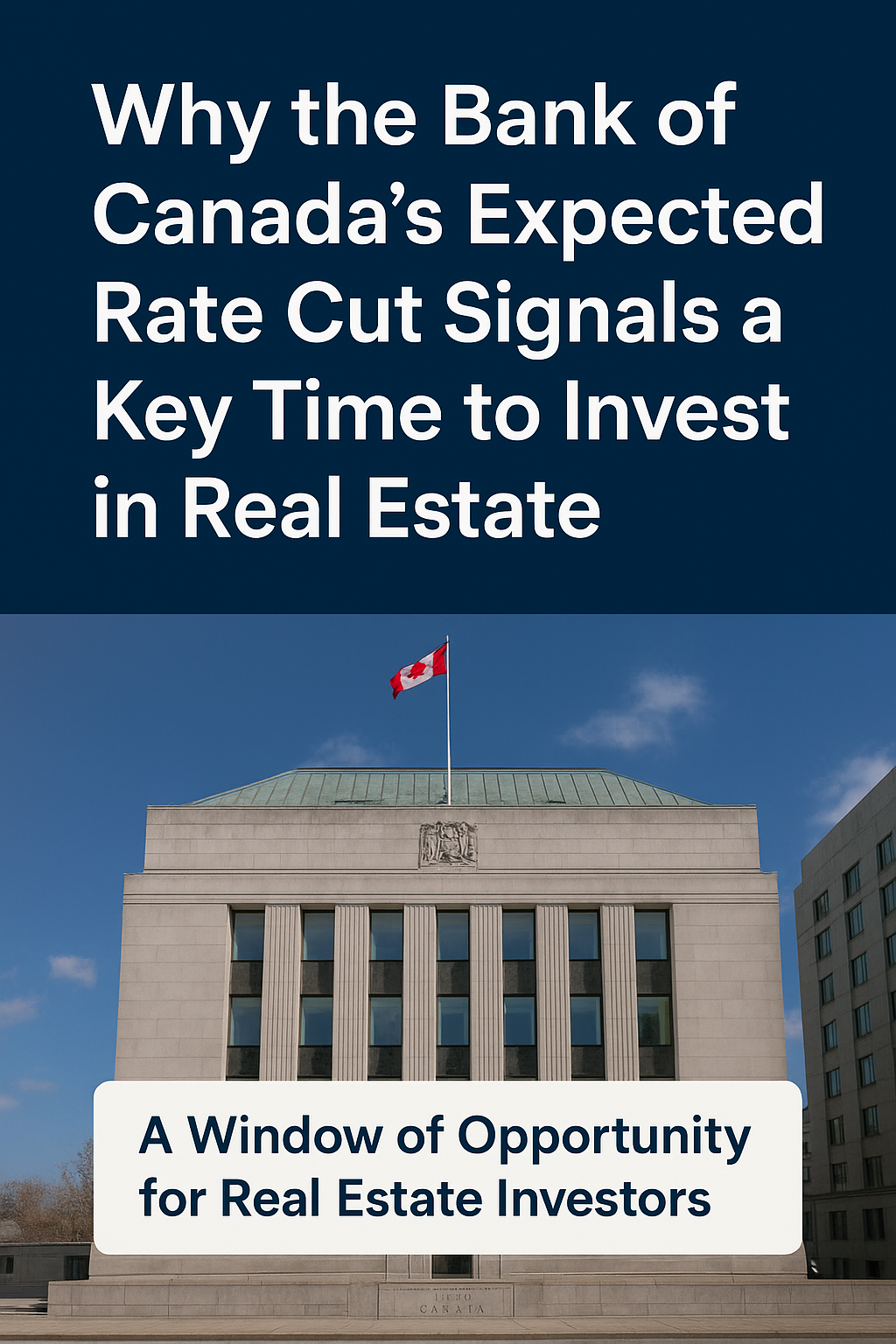
If you have been thinking about when to invest in real estate, the Bank of Canada (BOC) may be about to give you a reason to act. Markets widely expect the Bank to cut its policy interest rate at its upcoming meeting. The move follows a fresh inflation report, a weakening job market, and ongoing uncertainty over trade and government spending (Investment Executive).
This post was first published in September 2025, before the Bank’s decision. The figures below are from that time.
For many Canadians, this is more than just monetary policy. In fact, it could be an opportunity. And if you have been weighing your options, the shifting landscape could make this a strategic time to move.
What Is Driving the Expected Rate Cut
Several signals point the same way, according to Investment Executive. Here is what the report highlighted:
- Inflation rose to 2.0% in August, up from 1.7% in July. Economists say food and energy prices added to the uptick.
- The Canadian economy shrank in the second quarter, and job growth has been weak. So these signs suggest less overheating in the economy.
- Ottawa changed its tariff stance and reduced or removed retaliatory tariffs in early September. Together with government spending uncertainty, this has eased some inflation pressure.
- Financial markets are pricing in a 25-basis-point cut to the policy rate, which could bring it to about 2.50%. Also, some forecasts see another cut later in the year.
For buyers who want to invest in real estate, each of these points matters. Together, they suggest borrowing may soon cost less than it did earlier in the year.
Why This Matters When You Invest in Real Estate
A change in the policy rate flows through to the mortgages that buyers and investors use. Here is how it can help.
Lower Mortgage Rates Mean More Buying Power. Once the Bank of Canada lowers the policy rate, rates on fixed and variable mortgages tend to follow, or at least ease. That can reduce monthly payments for new buyers or people who refinance. So if you invest now, you might lock in better financing terms.
More Affordable Carrying Costs. Smaller interest payments mean that holding investment properties, such as condos, houses and rentals, costs less. That increases net returns, especially in markets with stable or rising demand.
A Boost to Demand. Rate cuts often lift consumer confidence. As a result, more people may feel comfortable buying homes. That raises demand and can push up property values. For sellers and for people who hold real estate, that is a positive trend.
The Timing Window. If the BOC cuts rates in September and perhaps again later, waiting could mean missing the early mover advantage. Rates often rise when inflation or economic strength returns. So buying before rates begin climbing again could be wise.
Key Risks and What to Watch
No plan to invest in real estate should ignore the risks. Keep an eye on these three:
- If inflation stays stubbornly high, the BOC might delay or limit cuts.
- Also, outside pressures like trade disruptions or fiscal policy shocks could derail expectations.
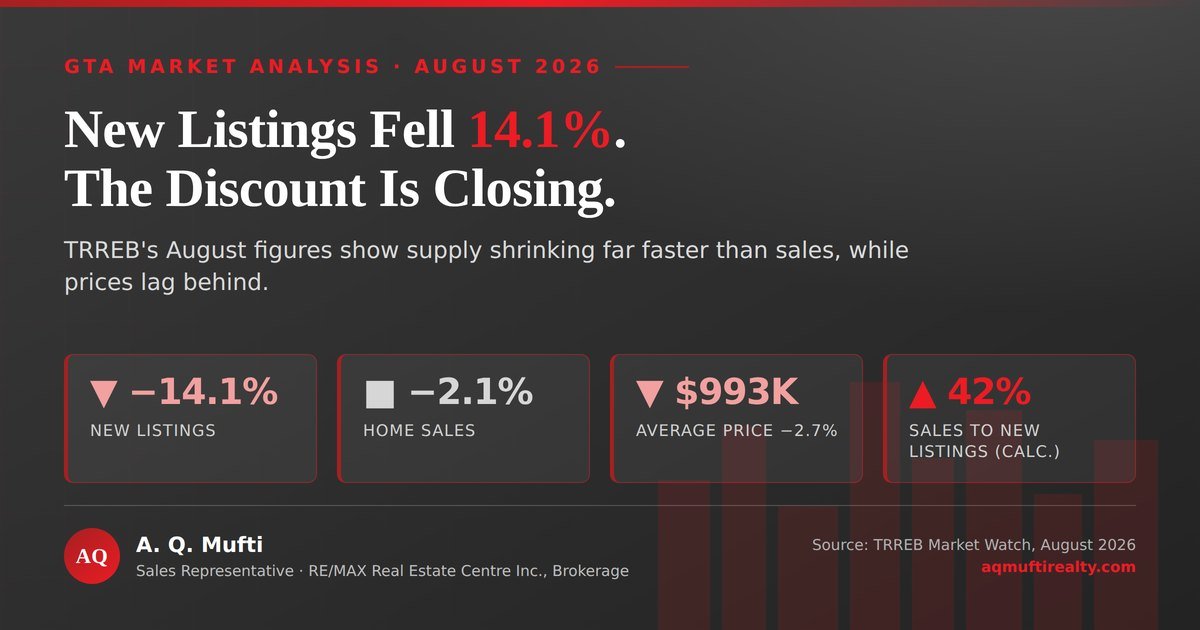
- Finally, local market factors such as supply, zoning and taxes still matter a lot. National trends help, but real estate is local.
You can follow each rate decision on the Bank of Canada website. Our explainer on when the Bank of Canada makes rate announcements also shows how the calendar works.
Tips to Invest in Real Estate Smartly Now
A rate cut does not replace a sound plan. Use these four steps to stay on track.
- Get your financing lined up now. Speak with mortgage brokers while rates look set to drop.
- Focus on properties with strong cash flow. Think rentals in stable neighbourhoods and multi-unit homes.
- Watch for undervalued or distressed assets that may benefit from an uptick.
- Consider a long-term hold. Rate cuts bring relief, but inflation, maintenance and taxes still chip away at returns.
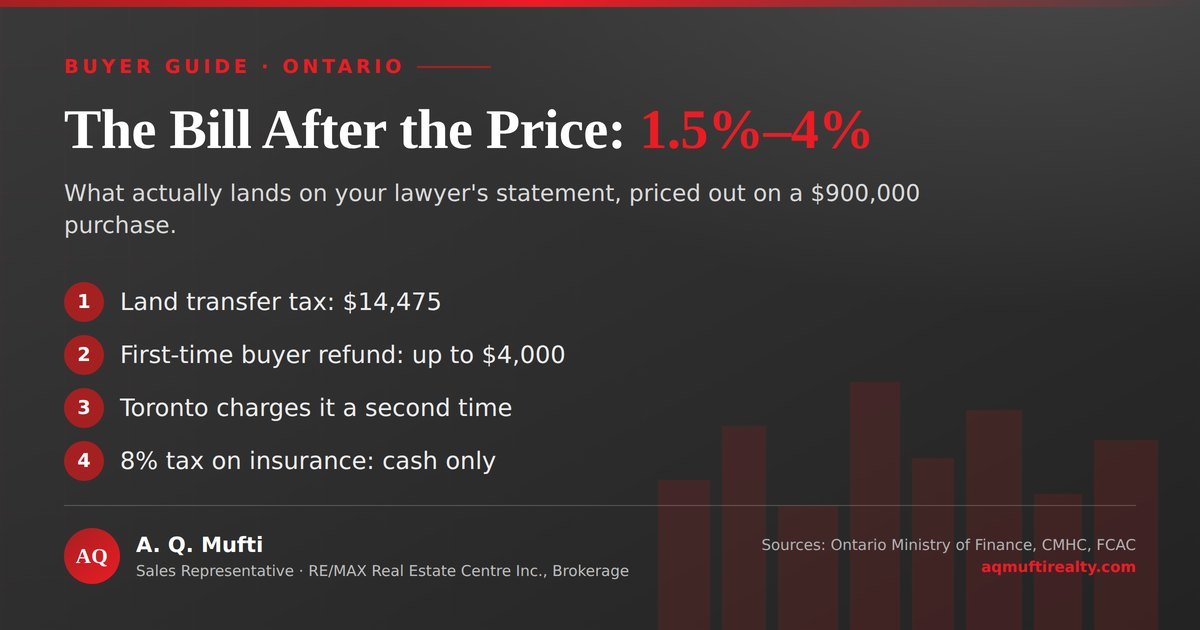
Before you buy, run the numbers on a few real listings in Mississauga or the wider GTA. Then compare rent, fees, taxes and upkeep against your mortgage payment. That simple step keeps a good plan from turning into a costly one.
Questions About When to Invest in Real Estate
When will the Bank of Canada cut rates? Economists expect a 25-basis-point cut at the next meeting.
How will this affect mortgage rates? Lower policy rates generally lead to lower fixed and variable mortgage rates, and that reduces monthly payments.
Should I buy now or wait? Buying now may help you lock in lower rates and get ahead of rising demand. Still, the right timing depends on your own finances and goals.
Final Thoughts
In short, the expected rate cut from the Bank of Canada may mark one of the better windows to invest in real estate in recent years. For many buyers and investors, this shift could lower cost barriers, improve returns and offer better financing terms.
If you have been on the fence about entering the market, or about growing your portfolio, this could be the moment to make a move. Rates have moved a great deal since this post first appeared. So read what happened next in our follow-up on the September 2025 decision, and see our fall 2026 guide for GTA buyers for a newer view. For more news like this, visit our market trends and investment insights page.
Talk to a Mississauga Real Estate Agent
Have questions about your next purchase or investment? Reach out through the contact page or call 416 908 5600. If this post helped, a Google review is always appreciated. A. Q. Mufti, Sales Representative, RE/MAX Real Estate Centre Inc., Brokerage.