
I am a firm believer that all our government policies should be citizen-centred. In other words, every major decision should start with one question: how will this affect the people who live with it every day?
I wrote this opinion piece in December 2022, while the Bank of Canada was raising interest rates to fight inflation.
Why government policies should be citizen-centred
Policy and decision-makers should thoroughly analyze the impact of their policy changes and decisions. That analysis should not stop at charts and forecasts. Instead, it should reach the families, workers and small business owners who feel the results first.
When government policies put citizens at the centre, people can plan with more confidence. They can decide when to buy a home, when to start a business and how much to save. On the other hand, when policies ignore their impact, trust fades quickly.
Citizen-centred does not mean easy or popular. Sometimes the right choice is a hard one. But even then, leaders can explain the trade-offs, measure the results and adjust when the cost to people grows too high. That kind of honesty keeps the public on side during difficult times.
Theories are tools, not rules
Theories and book knowledge are good, but they are only as good as a tool. So we should know whether that tool still works or is outdated.
It is a constantly changing world. Old theories give way to new research and new ideas, which guide us as we face the challenges of the new world. Therefore, government policies built on old models deserve a fresh look from time to time.
A good carpenter checks the tool before starting the job. Likewise, a good policymaker should test old ideas against today’s conditions before relying on them.
The real cost of fighting inflation
Controlling inflation is the responsibility of the decision-makers at the helm. However, one should also weigh the cost that citizens pay for it.
We should ask a simple question. Would our people be better off in a booming economy, with jobs, bread on the table and unemployment at its lowest? Or is the desired target rising unemployment, with people worried about paying their mortgages and lined up at food banks?
To me, the current situation is quite clear, and the decision-makers have what they need to make wise choices. Government policies should aim for stable prices without pushing families into hardship.
Here is an interesting article from the Toronto Star on this topic: The Bank of Canada says the plan always works. History says otherwise. You can also read the Bank’s own explanations on the Bank of Canada website.
How government policies reach your kitchen table
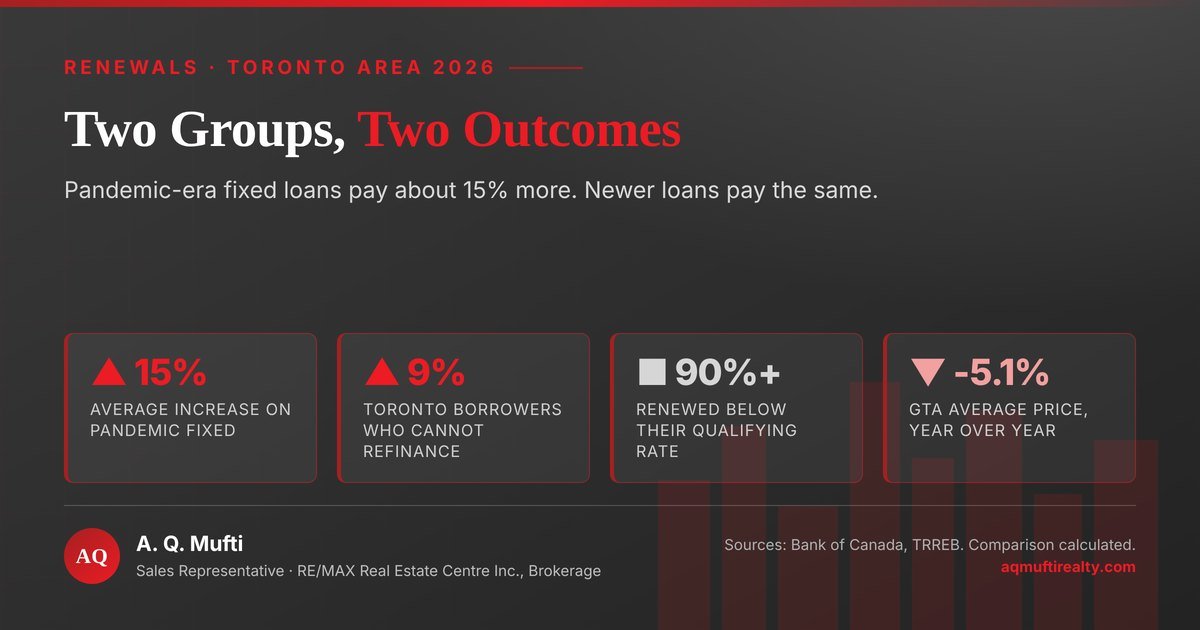
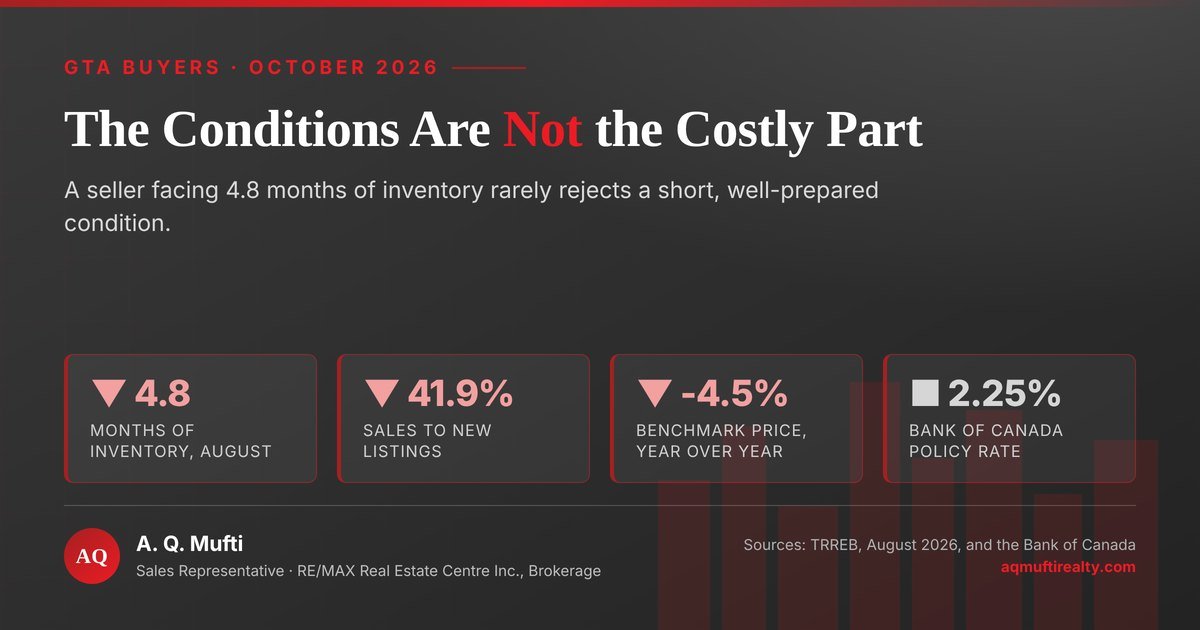
For homeowners in Mississauga and across the GTA, interest rate decisions are not abstract. They show up in variable-rate mortgage payments, at renewal time and in how much a buyer can borrow.
Similarly, tax rules, housing programs and zoning choices shape what families can afford. That is why I pay close attention to government policies and share what they may mean for buyers, sellers and owners.
For instance, a family renewing a mortgage may face a very different payment than the one they signed up for years earlier. Meanwhile, a first-time buyer may qualify for less than planned. Neither of them sets interest rates, yet both live with the results. So clear, people-first decisions matter a great deal at the kitchen table.
What homeowners can do when government policies change
You cannot control the next rate decision. Still, you can prepare for it. First, know your mortgage terms, including your renewal date and whether you have a fixed or a variable rate. Next, build some room in your budget for higher costs. Finally, talk to your lender early if you expect trouble.
For more background, read how rate hikes may affect your plans to own a home and my note on the Bank of Canada’s stance on inflation. Rates have moved a great deal since 2022, so always check the latest figures before you decide.
Talk to a Mississauga real estate agent
Do you have questions about buying, selling or simply planning your next move in Mississauga or the GTA? I am happy to help, so please send me a message or call me at 416 908 5600. If you found this helpful, I would greatly appreciate a Google Review for my real estate services. Thank you for your continued support. A. Q. Mufti, Sales Representative, RE/MAX Real Estate Centre Inc., Brokerage
Disclaimer: this article was published on 18 January 2025 and reflects the information available at that time. Interest rates, prices, and government programs change, so check the current position before acting on anything here. It is provided for information only and is not financial, mortgage, tax or legal advice. A. Q. Mufti is a registered Sales Representative with RE/MAX Real Estate Centre Inc., Brokerage, Ontario, Canada.