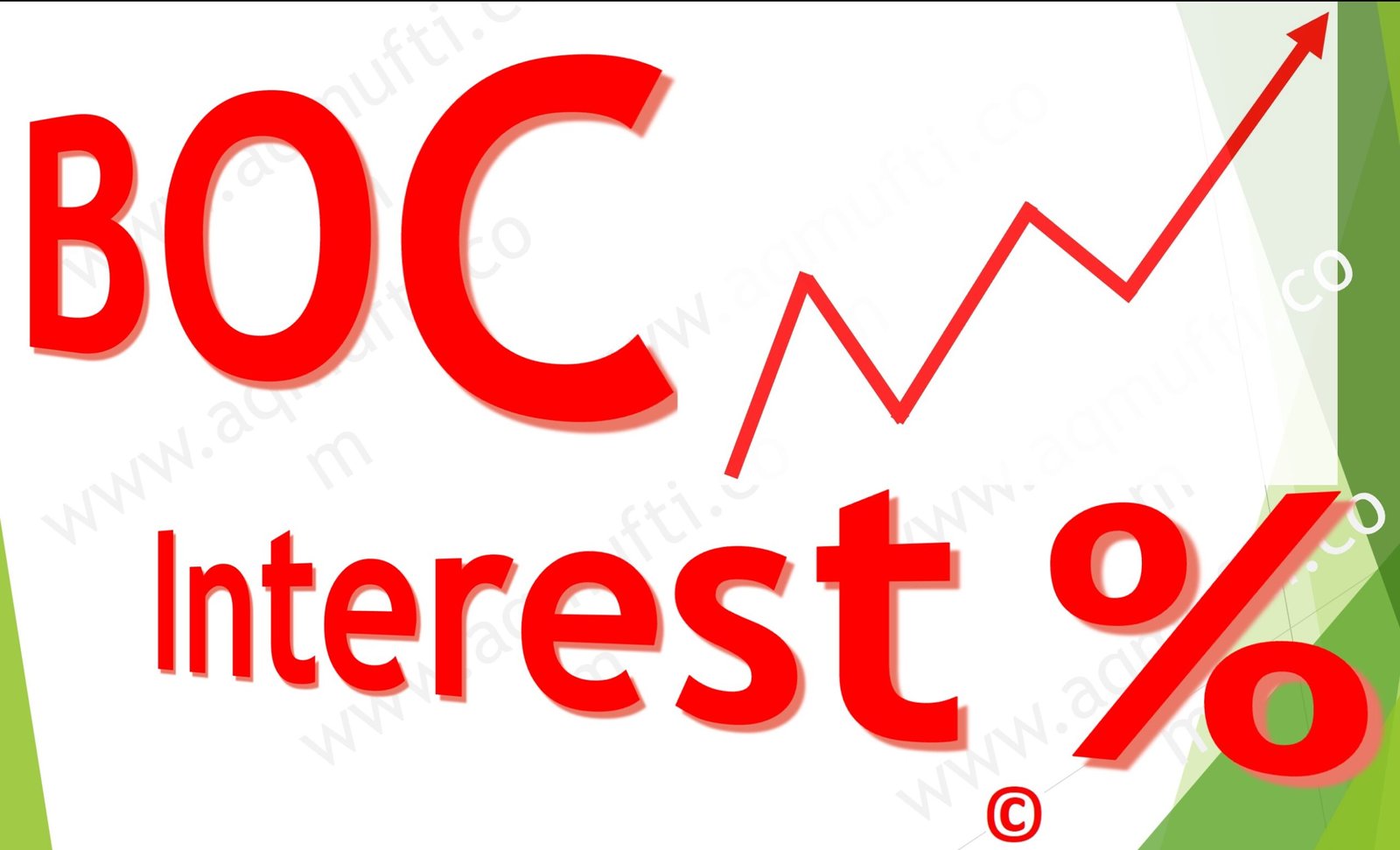
When the Bank of Canada raises its key interest rate, borrowers feel it fast. In a widely anticipated move, the Bank announced today a 0.25% increase in the key interest rate, pushing it to 5%. The decision aims to tackle inflation. However, it has unleashed devastating consequences for borrowers, particularly first-time homebuyers whose dreams of owning a home are fading quickly.
I wrote this post on the day of the announcement. The rate figures below are from that time.

Why the Bank of Canada raises rates
The Bank of Canada has justified the hike as a necessary step against rising inflation. Its goal is to bring inflation back to its 2% target. Put simply, higher rates make borrowing more costly, so people and businesses tend to spend less. Over time, that slower spending should ease price increases.
Still, concerns loom over whether Canada can reach the target inflation rate of 2% by the year 2025. So the question arises: what lies ahead in terms of further increases? If current economic projections hold true, borrowers and homeowners may face even greater challenges as debt keeps mounting. Each time the Bank of Canada raises its rate, that burden grows a little heavier.
You can read each rate decision and the reasons behind it on the Bank of Canada website. It also helps to know how often rate announcements happen, so you can plan around the dates.
First-time buyers feel the pressure
The effects of this hike reach far, and those hoping to own a home feel them most. For many first-time homebuyers, the higher cost of borrowing makes it very hard to enter the housing market. Property prices were already soaring. As a result, this extra financial burden adds another layer of despair for people who were already struggling with affordability.
A higher rate also lowers the mortgage amount a lender will approve. In practice, that can mean a smaller budget, a longer search, or more time spent saving. So, whenever the Bank of Canada raises its rate, first-time buyers should review their pre-approval and their monthly limits. My list of essential steps for first-time buyers in Mississauga is a good place to start.
Homeowners under strain
Existing homeowners do not escape either. As rates climb, the financial stress on homeowners grows. Some now stand on the brink of bankruptcy. Many are facing mortgage payments that keep rising and are harder to manage. Owning a home was once a symbol of stability and security. Now, for countless people and families, that dream seems to be slipping away.
If your mortgage renews soon, start planning early. Talk to your lender or a mortgage professional about your options. Next, review your household budget before the new payment arrives. Small changes made early are usually easier than big changes made in a hurry. For instance, you might trim spending, build a cushion, or look at a different term. Above all, remember that when the Bank of Canada raises rates, variable-rate borrowers tend to feel it first.
The wider cost to families
Policymakers need to see the broader ramifications of rate hikes. Curbing inflation is undoubtedly a priority, but the impact on people and families cannot be overlooked. The consequences go beyond money. They affect mental health, stability and the overall well-being of communities. Meanwhile, the gap between those who can afford a home and those who cannot widens, which deepens inequality.
Finding balance after the Bank of Canada raises its rate
In light of these developments, stakeholders must explore real solutions. That includes government, financial institutions and regulators. Together, they should address the housing affordability crisis and ease the hardship borrowers and homeowners face. For example, targeted assistance and affordable housing initiatives can help relieve some of these burdens.
In uncertain times, it is essential to strike a balance between economic goals and the welfare of the people. As rates continue to rise, policymakers should take a holistic approach. That means protecting the hopes of homebuyers and the financial well-being of homeowners. Only through such joint effort can we keep the dream of owning a home within reach for all Canadians.
What can you do in the meantime? First, know your numbers. Know your payment, your rate type and your renewal date. Second, keep an emergency fund if you can, even a small one. Third, do not make big money moves in a panic. So, the next time the Bank of Canada raises its rate, you will have a plan ready instead of a scramble. A calm plan beats a rushed choice almost every time.
Rates have moved a great deal since I wrote this post. For a later view, read my post on a more recent rate cut. Meanwhile, a professional can often spot options you may not have considered, and that can lead to better outcomes.
Talk to a Mississauga real estate agent
Do you have questions about rates, your mortgage, or buying or selling in Mississauga? I am happy to help, so please reach out through my contact page or call 416 908 5600. A. Q. Mufti, Sales Representative, RE/MAX Real Estate Centre Inc., Brokerage.
Disclaimer: this article was published on 18 January 2025 and reflects the information available at that time. Interest rates, prices, and government programs change, so check the current position before acting on anything here. It is provided for information only and is not financial, mortgage, tax or legal advice. A. Q. Mufti is a registered Sales Representative with RE/MAX Real Estate Centre Inc., Brokerage, Ontario, Canada.