Canada’s fiscal update 2023 put housing at the centre of Ottawa’s fall plans. The update brought in several measures to deal with housing affordability. Most of them target homeowners who face higher mortgage payments. Others aim to add to the supply of homes. The full documents are on the Government of Canada website. Below are the key points and what they could mean for you.
This post was first written in late 2023, after the fall fiscal update. The figures below are from that update.
What the Fiscal Update 2023 Changed for Mortgages
Loosening the mortgage stress test
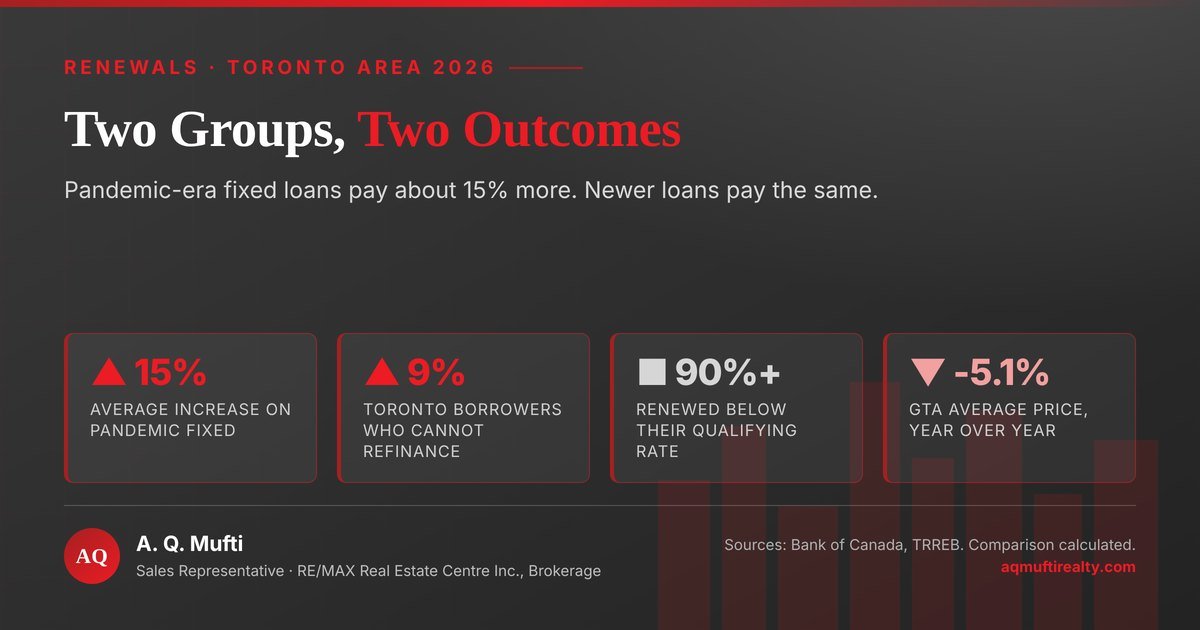
Ottawa is removing the well-known stress test for renewals. As a result, homeowners with insured mortgages can renew without having to requalify at higher rates. This matters most when they switch lenders.
Before this change, many owners felt stuck with their current lender at renewal. Now, removing the stress test when changing lenders could level the playing field. In turn, borrowers gain more power to negotiate better rates.
I wrote more about this change in my post on renewals without the stress test.
Help With Housing Affordability
The fiscal update 2023 also tries to lower the barrier for homeowners. Measures in the proposed charter aim to help Canadians get lower rates and smaller mortgage payments. That help is aimed especially at people who face higher interest rates at renewal.
The charter could also soften payment shocks through changes to amortization. That could help owners who got affordable financing during the pandemic but now face tough renewals. For a family in Mississauga, a longer amortization can mean a smaller monthly payment, although it usually adds to the total interest paid.
How the Fiscal Update 2023 Boosts Housing Supply
The update puts $1 billion into an affordable housing fund. In addition, it adds $15 billion for low-cost rental construction financing. However, this spending is set to start in 2025.
Ottawa also plans tax changes for short-term rental (STR) operators. It is setting aside funds to enforce the rules as well. The goal is to free up existing homes for people to live in.
If you own a condo or a second unit in Mississauga and rent it out for short stays, keep an eye on these changes. Check the local bylaws, your condo rules and the tax rules before you plan your next year. A long-term tenant may turn out to be the simpler choice.
Long-Term Limits and Challenges
Most construction plans have a long lead time. Builders need business plans, zoning approvals and more before a shovel goes in the ground. So policies that encourage building can take time to show results.
The federal government also has limits. It needs provinces and cities to work with it. Unless all levels of government align their actions, the fiscal update 2023 cannot reach its goals on its own.
For buyers, this means supply will not change overnight. New homes funded by this update will take years to arrive. So today’s choices still depend on the homes for sale right now.
Fiscal Restraint and Future Projections
The update sets out new fiscal anchors. Its aim is to keep deficits below one percent of Canada’s GDP starting in 2026-27.
For now, the current year’s deficit stays at $40 billion. On top of that, the fiscal update 2023 adds $20.8 billion in new spending over five years. Overall, that signals continued but shrinking deficits.
What the Fiscal Update 2023 Means for Home Prices
The proposed measures include easing the stress test, putting money into housing and cracking down on STRs. At first, they may ease some pressure on homeowners. They may also help to boost housing supply.
Inflation and mortgage rates
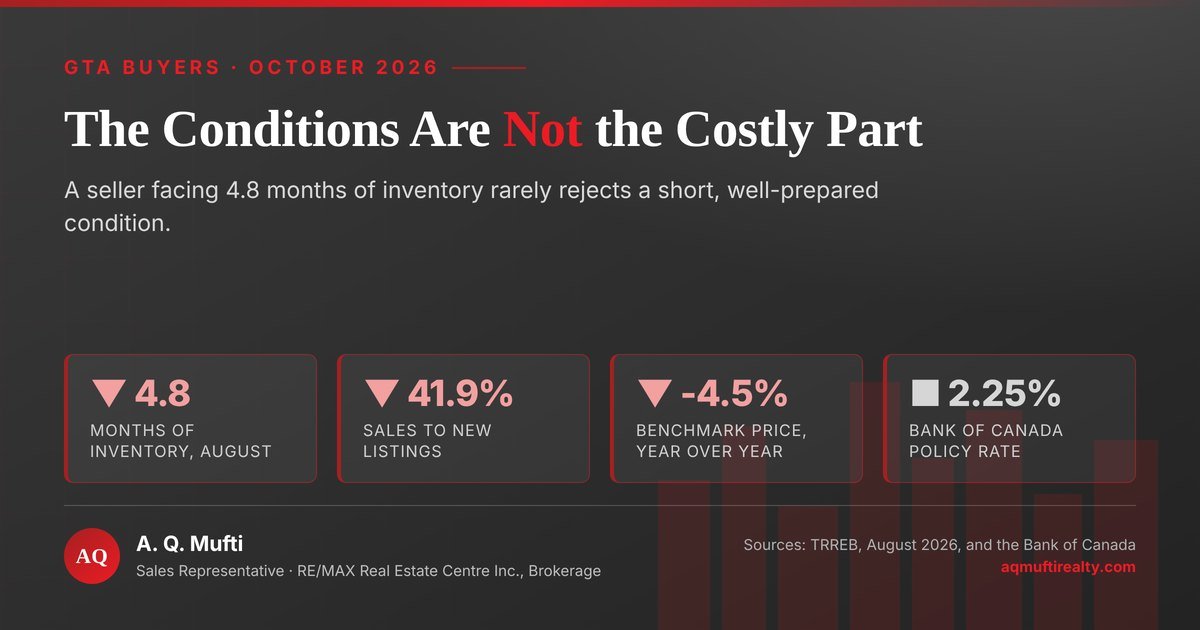
Inflation has come down to 3.1%, and mortgage rates are expected to fall in the coming spring. With that backdrop, these housing measures could raise demand for homes. That, in turn, could push prices up.
In short, the update tackles homeowners’ immediate concerns and aims to add supply. Yet over the long term, its effect on prices may point upward, especially with lower inflation and mortgage rates ahead.
For the next big federal step, read my post on Canada’s housing plan for 2024. Programs and rules have changed a great deal since then, so check current details before you act.
Talk to a Mississauga real estate agent
Do you have questions about mortgage renewals, buying or selling? I am happy to help. Call A. Q. Mufti, Sales Representative, RE/MAX Real Estate Centre Inc., Brokerage, at 416 908 5600, or send me a message. And if this post helped you, a Google Review is always appreciated.
Disclaimer: this article was published on 18 January 2025 and reflects the information available at that time. Interest rates, prices, and government programs change, so check the current position before acting on anything here. It is provided for information only and is not financial, mortgage, tax or legal advice. A. Q. Mufti is a registered Sales Representative with RE/MAX Real Estate Centre Inc., Brokerage, Ontario, Canada.