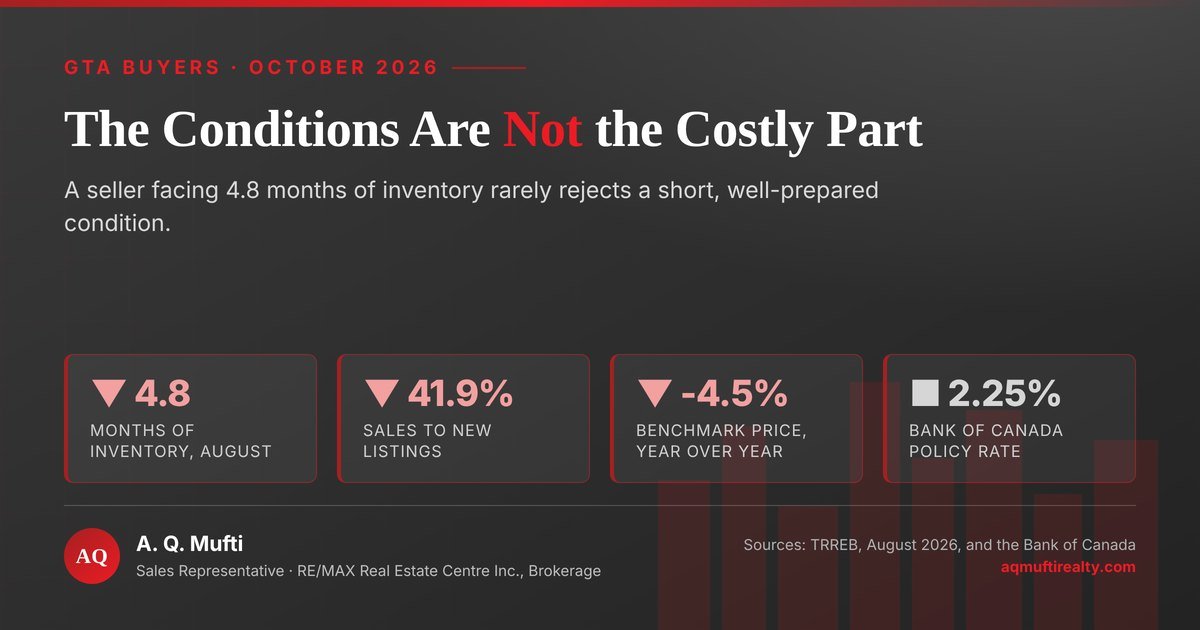

The Bank of Canada rate cut that the real estate world was talking about is now reality. According to The Toronto Star, the Bank has cut its key interest rate by 0.25%, bringing it down to 2.5%.
This post was first published in September 2025. The figures below are from that month.
The Bank of Canada Rate Cut: A Powerful Shift
This dramatic move is more than a technical adjustment. In fact, it is a rare and emotional turning point that can unlock opportunity for buyers and sellers across Canada. We had looked ahead to this decision in our September 15 preview, and now the decision has arrived.
For homeowners and buyers in Mississauga and the wider GTA, the key question is simple. How does a lower policy rate reach your own budget? The answer runs through lenders, mortgages and, in the end, demand for homes.
Lower Rates Mean Immediate Benefits
When rates drop, mortgage costs fall. So a Bank of Canada rate cut gives families and investors a burst of confidence, because they can:
- Secure lower monthly payments on the same home.
- Qualify for a larger mortgage with the same income.
- Enter the market before prices rise as demand increases.
For background on how rate changes affect loans, visit the Bank of Canada’s monetary policy page. Also keep in mind that each lender sets its own rates, so compare offers before you sign.
If you have a variable-rate mortgage, you may notice the change first. Many variable payments or amortization schedules adjust soon after lenders move their prime rates. On the other hand, fixed rates follow the bond market, so they can move before or after the Bank acts. That is why it pays to speak with a mortgage professional about which option suits your plans.
Why Real Estate Shines After a Bank of Canada Rate Cut
Every change in rates is a signal, but this one is especially strong. Lower borrowing costs, combined with Canada’s strong housing fundamentals, can create:
- A surge in buyer interest.
- Quicker sales cycles for sellers.
- Chances for investors to build wealth through appreciation.
For market statistics, see the Canadian Real Estate Association. To learn how past cuts played out, read how rate cuts can shape home prices.
How to Act on the Bank of Canada Rate Cut
Because this is a timely window, it helps to take three steps:
- Get pre-approved now. Lenders update offers fast.
- Work with a licensed real estate agent. Guidance is essential in a dynamic market.
- Think long-term. Rate cuts can drive price growth, so plan for appreciation, not just today’s discount.
Next, gather your pay stubs, tax returns and down payment records so your lender can move quickly. Then set a firm budget that still works if rates change again at renewal.
If you already own a home, this is also a good time to review your mortgage. Check your renewal date, your prepayment options and any penalty for breaking your term early. In some cases, a small change now can save you money over the next few years. However, a penalty can also wipe out the gain, so run the numbers first.
Investors should look closely at cash flow. Compare expected rent with the full monthly cost, including taxes, insurance, condo fees and repairs. Then ask whether the numbers still work if rates rise again later. A property that only works at today’s rate may be too thin.
What Sellers Need to Know
Sellers also benefit from a Bank of Canada rate cut. More qualified buyers mean faster offers and, potentially, stronger selling prices. So if you have been waiting to list, this shift can be your moment.
Still, price your home with care and prepare it well. Buyers who can borrow more still compare homes closely, and a well-presented listing stands out.
Timing matters too. Spring and fall are often busy seasons in Mississauga, and a clean, well-priced home can draw more attention when buyers feel confident. Talk with your agent about recent sales near you, and then decide on a list price and a launch date together.
Lessons From This Bank of Canada Rate Cut
Here are three lessons worth keeping in mind for the next decision:
- Data and inflation reports can prompt swift policy changes.
- Real estate remains one of Canada’s most resilient assets.
- Acting early in a rate-cut cycle can deliver the biggest advantage.
These lessons apply well beyond one decision. Each Bank of Canada rate cut, or hike, changes the math for buyers and sellers, so it helps to plan for more than one outcome. Rates have moved a great deal since this post first appeared. For what came next, read our October 2025 update and our fall 2026 guide for GTA buyers.
FAQs About the Bank of Canada Rate Cut
How will the Bank of Canada’s cut to 2.5% affect mortgage rates? Lenders usually lower their prime rates after a Bank of Canada cut, and that makes many mortgages cheaper.
Is now a good time to invest in Canadian real estate? Historically, the early phase of a rate-cut cycle is the best time to buy, before demand pushes prices higher.
Should sellers list their homes after a cut? Yes. More qualified buyers often lead to quicker sales and stronger offers.
Where can I learn more about the Bank of Canada’s decisions? Visit the Bank of Canada’s official site for updates.
Talk to a Mississauga Real Estate Agent
Want to know what this means for your own plans? Send your questions through the contact page or call 416 908 5600. If this post helped, a Google review is always appreciated. A. Q. Mufti, Sales Representative, RE/MAX Real Estate Centre Inc., Brokerage.
Disclaimer: this article was published on 18 September 2025 and reflects the information available at that time. Interest rates, prices, and government programs change, so check the current position before acting on anything here. It is provided for information only and is not financial, mortgage, tax or legal advice. A. Q. Mufti is a registered Sales Representative with RE/MAX Real Estate Centre Inc., Brokerage, Ontario, Canada.